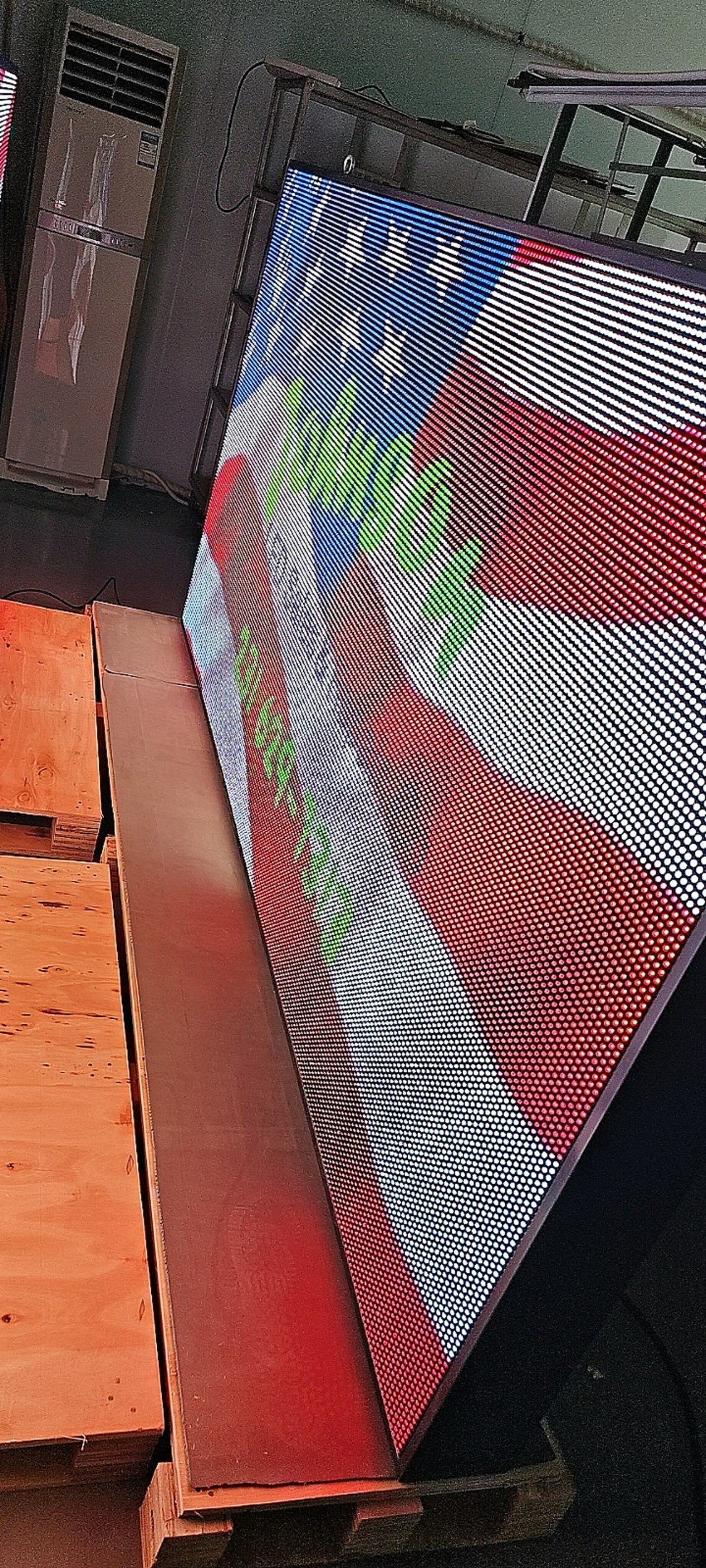
ODM & OEM Service
Comparison List: T-30 / TB-40 / TB-60 (NovaStar LED Playback Controller)
Have you or your company tried the new TB-40 or TB-60 controller? Are they better than T-30?
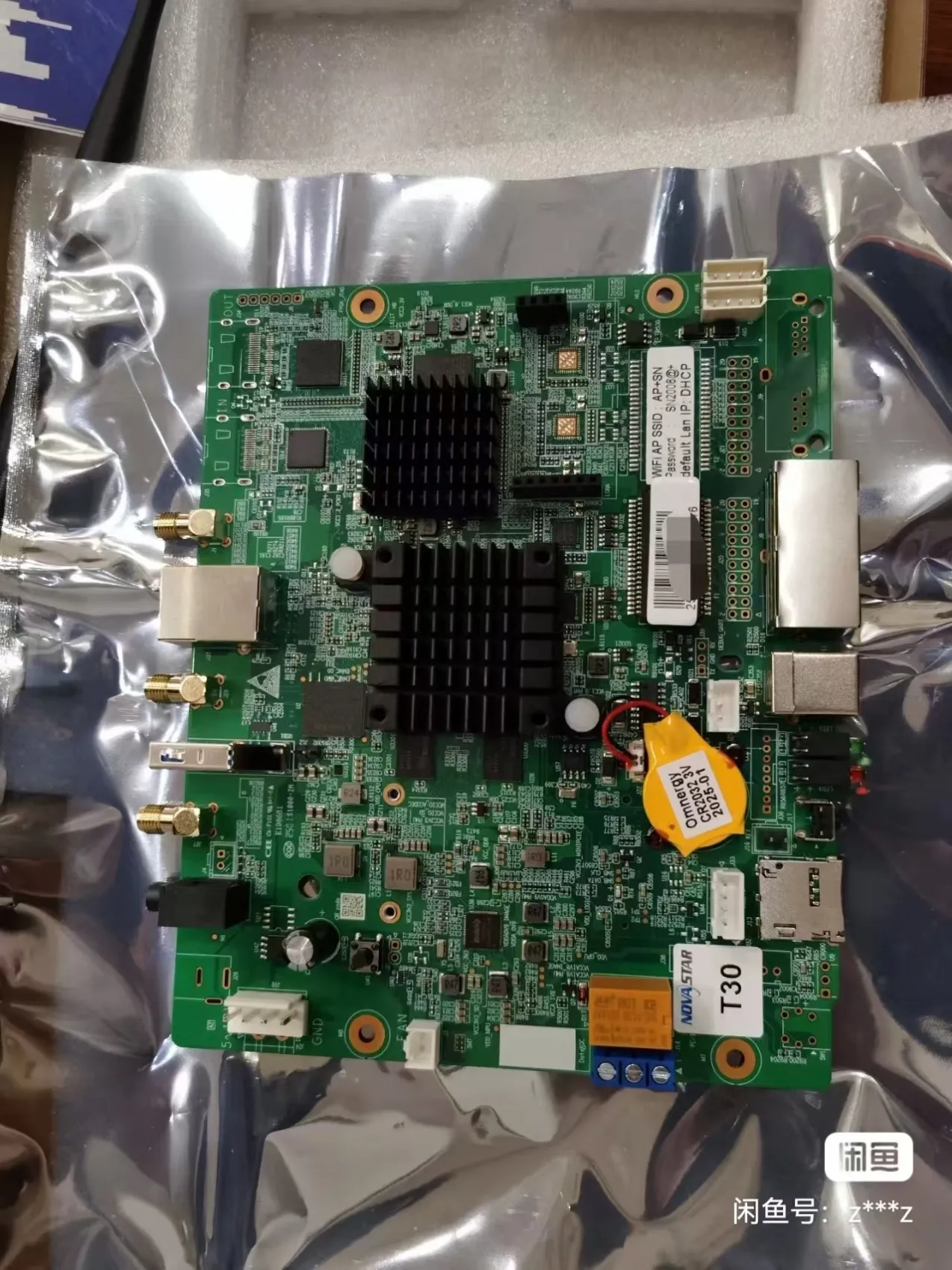
- Maximum Pixel Loading (Core Difference) •T-30 (Old base model) Max loading: 650,000 pixels; only two Ethernet ports; no HDMI input. Best for small single-screen advertising signs. •TB-40 (Mid-range upgrade) Max loading: 1.3 million pixels; dual Ethernet ports; added HDMI input & loop-out output. Supports real-time video signal switching between local playback and HDMI source. •TB-60 (High-end flagship) Max loading: 2.3 million pixels; four Gigabit Ethernet ports (2 main + 2 backup redundant links); HDMI in & out. Designed for large LED screens and multi-screen splicing projects.
- Hardware & I/O Ports •T-30: 2 LAN ports, no HDMI, only local USB drive playback, no real-time video input. •TB-40: 2 LAN ports + HDMI IN/OUT, supports live video feed + offline program play. •TB-60: 4 LAN ports + HDMI IN/OUT, redundant network link for 24/7 stable operation.
- Playback & Cloud Function •T-30: Basic offline USB drive playback; limited cloud remote management. •TB-40: Full cloud publishing, multi-device cluster control, 4K video decoding, 2GB RAM + 32GB storage. •TB-60: Same cloud control as TB-40, with stronger multi-screen synchronization and dual-network backup for industrial continuous running.
- Application Scenarios •T-30: Small store single LED sign, budget basic projects. •TB-40: Medium-sized billboards, dual-screen displays, projects requiring HDMI live video input. •TB-60: Large outdoor LED walls, multi-screen splicing engineering, projects needing network redundancy and huge pixel capacity.
- Performance Conclusion TB-40 is a big upgrade over the old T-30 with HDMI live signal and double pixel capacity. TB-60 further quadruples network ports and lifts pixel limits for large engineering projects.